

KYOTO, Japan, Nov. 13, 2026 — The Cabinet Office, Government of Japan, hosted Mastery of Touch, Mystery of Time, an invitation-only exhibition of Japanese artistry from JAPAN SUI COLLECTION, at the Kyoto State Guest House on 7–8 November 2026. More than 160 guests, including international collectors, business leaders, curators and cultural enthusiasts, attended over the two days.
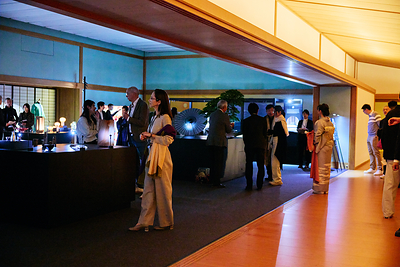
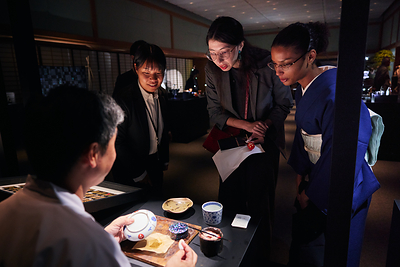
Presented under the overarching theme Japanese Waza: Residing in Hands and Time, the exhibition featured approximately 40 works from across Japan, including lacquerware, woodcarving, metalwork, ceramics, textiles and Japanese swords. The word Sui reflects the aesthetic sensibilities and cultural narratives woven into Japanese traditions. Ten thematic perspectives explored the skills behind the objects, from carving and hammering to dyeing, weaving and polishing, illustrating how traditional craftsmanship continues to evolve in contemporary life.
Produced by Junko Koshino and curated by Toshiaki Kawamata, the exhibition focused on waza—the spirit and skill of craftsmanship—and the time required to master and transmit techniques across generations. Six artisans offered live demonstrations, connecting techniques rooted in samurai culture, regional folk traditions and kimono craftsmanship to contemporary creativity.
Kouki Matsushima demonstrated Iga Kumihimo, intricately braiding threads into an obijime cord for kimono. Historically used in samurai armour and sword fittings, the technique now finds new applications in fashion. Kentaro Inada showcased Higo metal inlay, using nunome-giri to carve more than ten microscopic grooves within a single millimetre before embedding precious metals.
Lacquer artist Yuzo Eto demonstrated kintsugi, repairing damaged ceramics with lacquer and metallic powders, while Takuya Niwa showed how a zabuton cushion is shaped entirely by hand, carefully distributing cotton fibres without machinery. Shoichi Hashimoto presented the layered papier-mâché and painted decoration of traditional Japanese folk toys. Yohei Kato demonstrated Fūsai-zome, a contemporary development of a 1,200-year tradition of gradation dyeing, creating seamless transitions of colour inspired by wind. Together, the demonstrations offered opportunities for guests to engage directly with living traditions.
Visitors praised the chance to encounter diverse crafts and watch artisans at work. One guest commented: “What is exceptional is that we can see all the traditional artwork in one place.”
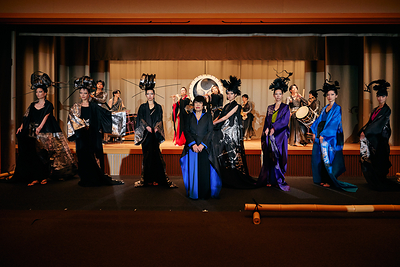
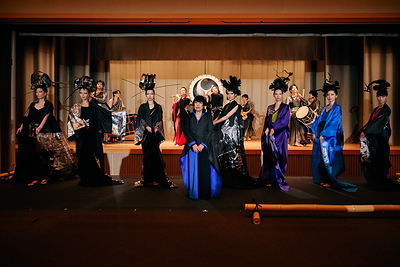
The programme also included a powerful performance by internationally acclaimed taiko ensemble DRUM TAO. Under the theme of Rimpa, Junko Koshino presented a fashion show blending contemporary design with Japanese cultural elements including kimono, Nishijin weaving and indigo dyeing, accompanied by DRUM TAO’s rhythms.
NOBU, the world-renowned restaurant brand known for its fusion cuisine rooted in Japanese cooking traditions, offered a menu featuring Kyoto ingredients. Dishes included Toro Tuna Tartare with Caviar and wasabi soy sauce, accompanied by Kyoto vegetables and Kujo leek, and Vegetable Soy Paper Rolls featuring Shogoin daikon radish.
Kyoto Prefecture Governor Takatoshi Nishiwaki and Kyoto Mayor Koji Matsui also addressed guests, underscoring Kyoto’s role as a meeting place for tradition and contemporary culture.
Launched in 2025, JAPAN SUI COLLECTION is an initiative of the Cabinet Office, Government of Japan, celebrating Japanese craftsmanship and the cultural narratives behind it. The collection has been showcased in Kyoto and Paris, with further European presentations planned.
More information: https://japan-sui-collection.go.jp/
Press kit and images here
