

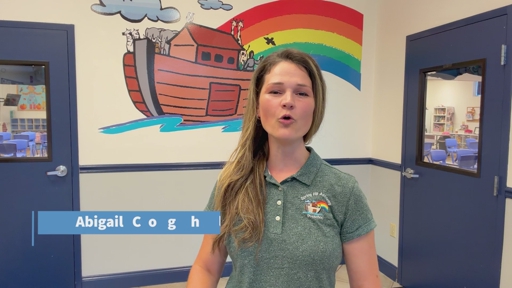
The article explains how curriculum, teacher interaction, daily routines, play, safety, and family needs can help parents evaluate preschool options.
SPRING HILL, Tenn., Sept. 23, 2026 / — What should parents look for when choosing a preschool?
A HelloNation article featuring insights from Preschool Expert Abigail Coghlan of Spring Hill Academy Preschool in Spring Hill, TN, provides the answer by examining the educational, social, and practical factors that contribute to a child’s preschool experience.
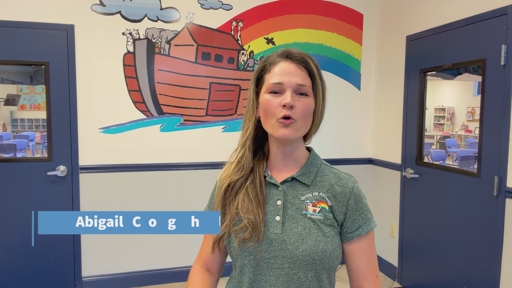
The article explains that choosing a preschool involves looking at the entire program rather than focusing on one feature. Academics, classroom appearance, location, teacher interaction, play, and family communication can all influence a child’s experience.
A preschool curriculum is one useful starting point. Parents can ask what children typically learn and how teachers introduce new skills. An early childhood education program may include language, early math, science, art, movement, and opportunities to explore different interests.
How those subjects are taught also matters. The article explains that children often learn through conversations, stories, games, hands-on activities, and guided exploration. Learning opportunities should reflect children’s ages and early childhood development rather than simply copying an elementary classroom.
Play also supports early childhood development by giving children opportunities to practice communication, cooperation, problem-solving, and creativity. Parents can ask how the program balances free play, guided activities, outdoor movement, and interaction with classmates.
A predictable preschool routine can help children understand what happens throughout the day. Parents may want to learn how the schedule moves between group activities, individual choices, meals, rest, outdoor time, and transitions while allowing appropriate flexibility.
Teacher interaction deserves attention during a preschool tour. Parents can observe how teachers speak with children, respond to questions, and handle frustration or disagreements. These interactions can provide useful information about how comfortable children are asking for help and participating.
Social development is another important consideration. Preschool children are still learning to share, wait, express emotions, and work through disagreements. The article explains that parents can ask how teachers guide children through these everyday situations.
Classroom engagement can also offer insight into the learning environment. Children do not need to be quiet or completing identical activities for a classroom to be productive. Instead, parents can observe whether children appear interested, involved, and comfortable interacting with others.
The physical environment should support the activities children are expected to do. During a preschool tour, families can look at classroom organization, learning materials, play areas, outdoor spaces, and quiet areas while asking about supervision, cleaning, security, and emergency procedures.
Communication between families and teachers is another part of choosing a preschool. Parents should understand how the program shares information about classroom activities, developmental progress, behavior, and concerns through conversations, conferences, written updates, or digital systems.
The article also notes that a preschool curriculum can support more than academic learning. Independence, play, and social development can work alongside early learning as children practice managing belongings, following routines, making choices, and completing age-appropriate tasks.
Practical considerations matter as well. Program hours, calendars, meals, transportation, attendance expectations, and tuition policies can determine whether a program works with a family’s schedule and priorities.
Parents should also consider the individual child when evaluating preschool fit. Temperament, learning style, routines, previous group experiences, and comfort in social settings can influence how a child responds to a particular classroom environment.
The article concludes that preschool fit comes from balancing observations about the program with a family’s priorities and the child’s needs. A thoughtful early childhood education environment can support learning, play, independence, relationships, and participation while providing a consistent preschool routine.
What Parents Should Look for When Choosing a Preschool features insights from Abigail Coghlan, Preschool Expert, of Spring Hill, TN, in HelloNation.
About HelloNation
HelloNation is America’s Good News Network, a premier media platform built on the idea that good news travels faster when real people tell real stories. Through its community-focused publications and innovative “edvertising” approach, HelloNation delivers content that informs, inspires, and spotlights the leaders making a meaningful impact in their communities.
SOURCE HelloNation
