

GREENSBORO, N.C., July 4, 2026 — Do all plumbing issues require immediate emergency service? In HelloNation, Tim Martin of Jimmy’s Plumbing in Greensboro explains why the answer is no. He clarifies which problems are true emergencies and which ones can safely wait, helping homeowners avoid unnecessary stress and after-hours plumbing costs.
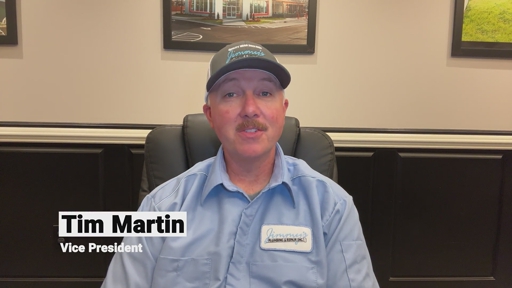
Martin explains that emergency plumbing service is designed for situations where damage, contamination, or safety hazards are imminent. A burst pipe spraying water across a room, a sewage backup that exposes a household to harmful bacteria, or a water heater flooding a basement all qualify as urgent. In these cases, homeowners should act immediately by shutting off the water supply and calling for professional help.
By contrast, many plumbing problems do not meet the threshold of an emergency. A running toilet, while wasteful, will not cause major damage overnight. A slow-draining sink or a single clogged fixture is inconvenient but not dangerous. Martin notes that these types of issues can be scheduled during regular business hours without the added expense of after-hours rates. The distinction is clear: emergencies involve immediate risk, while minor problems are frustrating but manageable.
One of the biggest mistakes homeowners make is misjudging urgency. After-hours service often comes with a premium price, and calling for minor issues can double or triple the cost of a basic repair. Martin emphasizes that understanding what qualifies as an emergency protects both the household budget and the plumber’s ability to prioritize families truly in crisis.
This does not mean that smaller issues should be ignored. A dripping faucet wastes thousands of gallons of water annually, and a running toilet can add significant cost to monthly utility bills. These problems should be repaired promptly, but they do not require midnight calls. Martin explains that scheduling these repairs within a few days is usually sufficient to prevent further waste without overspending.
Preparedness also plays a critical role. Martin advises every homeowner to locate and test their main shut-off valve before a problem occurs. Shutting off the water quickly in an emergency limits damage until a plumber arrives. He also points out that smaller shut-off valves under sinks or behind toilets can isolate problems without cutting water to the entire house. Having this knowledge beforehand reduces stress and prevents minor leaks from escalating.
Observing the scope of the issue is another smart approach. If multiple drains back up at the same time, the problem may be in the main sewer line and could qualify as urgent. If the issue is isolated to one fixture, it likely can wait. Likewise, a foul sewage odor in the home suggests a more serious problem than a single running toilet. Assessing whether the issue is localized or widespread helps guide the right decision.
Ultimately, Martin explains that plumbing emergencies are about immediate damage or danger, not mere inconvenience. Burst pipes, sewage backups, and flooding water heaters need urgent attention, while slow drains, dripping faucets, and running toilets usually do not. By making the distinction, homeowners can save money, reduce panic, and still keep their homes protected.
His full breakdown is available in the HelloNation article, Plumbing Myths: Do All Issues Require Immediate Help?. In it, Martin provides practical guidance on recognizing true emergencies, preparing ahead of time, and avoiding unnecessary after-hours plumbing costs.
About HelloNation
HelloNation is a premier media platform that connects readers with trusted professionals and businesses across various industries. Through its innovative “edvertising” approach that blends educational content and storytelling, HelloNation delivers expert-driven articles that inform, inspire, and empower. Covering topics from home improvement and health to business strategy and lifestyle, HelloNation highlights leaders making a meaningful impact in their communities.
SOURCE HelloNation
