

The article outlines safe, practical steps for identifying wildlife activity, preventing further damage, and protecting the home.
WOODBRIDGE, N.J., July 6, 2026 — What should homeowners do if they hear strange noises coming from their attic? That’s the question answered in a HelloNation article featuring insights from Attic and Crawl Space Expert Benjamin Gibber of Atticrawl LLC in Woodbridge, NJ. The article offers a homeowner-friendly guide for handling unexpected raccoon or squirrel activity in attic spaces.
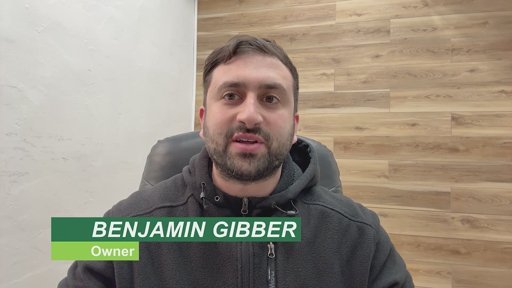
The article explains that many homes in Woodbridge and surrounding areas are prone to wildlife intrusion because nearby trees and quiet structures provide ideal nesting conditions. When raccoons or squirrels get inside, they often return, and the damage can escalate quickly if not addressed. According to the article, raccoon removal and squirrel removal both begin with identifying the signs of activity before attempting any repairs.
One key point in the HelloNation feature is the importance of safe observation. Homeowners are advised to look for visible signs like torn vent screens, stained soffits, or noise patterns before assuming an attic is empty. The article notes that squirrels tend to be active in daylight, while raccoons move around at night, making the timing of sounds an early clue to the type of animal present.
The HelloNation article also warns against sealing entry points too early. Sealing before confirming that all animals have exited can lead to worse outcomes, such as animals getting trapped inside the walls or ceiling. Instead, the article stresses the importance of a thorough attic inspection to determine nesting sites, active entry points, and whether baby animals are present.
In areas like Woodbridge, where wildlife removal laws may apply, the article emphasizes that professional help is often the safest route. DIY approaches may not only be ineffective but could also pose legal and safety risks. Raccoons, in particular, can be aggressive and may carry diseases like rabies, while both species can introduce parasites into attic insulation.
The article outlines the professional steps involved in humane wildlife removal. Technicians typically install one-way doors that allow animals to exit safely but prevent re-entry. After the animals are gone, attic sealing can begin. Effective methods include reinforced vent covers, metal flashing, and heavy-duty screening. This part of the process is critical to prevent future intrusions.
Once the animals are excluded, the focus shifts to cleanup. The article highlights the value of insulation removal when droppings or urine have contaminated materials. Attic sanitizing helps eliminate lingering odors and health risks, while attic insulation replacement can restore thermal protection and energy efficiency. The article points out that ignoring these steps can lead to mold growth, indoor air quality issues, and rising utility bills.
Finally, the HelloNation feature recommends long-term prevention strategies for homeowners. Trimming tree limbs that hang over the roof, inspecting vents after storms, and addressing even minor exterior damage can help keep wildlife out. As the article notes, small issues like a loose soffit or damaged screen often serve as the first entry point for animals during colder months.
What to Do If You Have a Raccoon or Squirrel in Your Attic – Homeowner Guide features insights from Benjamin Gibber, Attic and Crawl Space Expert of Woodbridge, NJ, in HelloNation.
About HelloNation
HelloNation is America’s Good News Network, a premier media platform built on the idea that good news travels faster when real people tell real stories. Through its community-focused publications and innovative “edvertising” approach, HelloNation delivers content that informs, inspires, and spotlights the leaders making a meaningful impact in their communities.
SOURCE HelloNation
